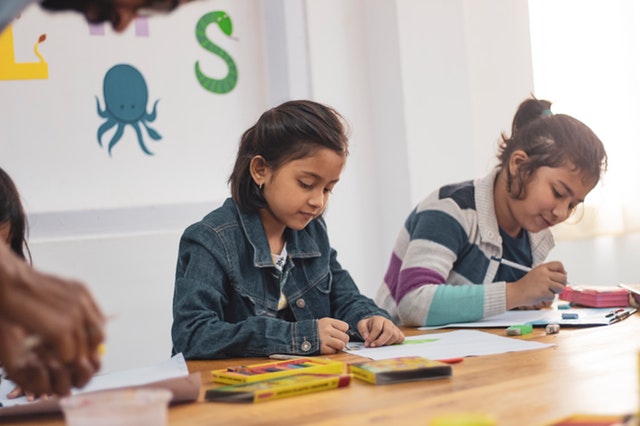

The increasing advances made to adaptive equipment for special needs students have provided a much-needed shift in both K-12 and higher education
References
Roblyer, M. D., & Hughes, J. E. (2019). Integrating Educational Technology Into Teaching: Transforming Learning Across Disciplines (8th ed., p. 310). London, England: Pearson.
Seale, J. K. (2006). Accessibility, elearning and higher education. In E-learning and Disability in Higher Education: Accessibility Research and Practice (p. 32). Retrieved from http://search.ebscohost.com.ezproxy.liberty.edu/login.aspx?direct=true&db=nlebk&AN=168312&site=ehost-live&scope=site
 Instructional Design Projects by JC Johnson Sr.
Hey Jason,
I agree with you that adaptive technology can be beneficial for a student with special needs. Each student has a different set of strengths and weaknesses. Therefore, not every student would benefit from the same type of adaptive technology. It is amazing to see how technology can help someone that is visual, auditory, or physically impaired. A student that may not have the fine motor skills to write can talk into a microphone that types what they are saying. Another student that may not have fine motor skill or the ability to talk can type just by looking at the screen (with Windows 10 eye control program). It is amazing to see how technology is helping students to succeed academically.
I also agree that it is important for students to be integrated with other students their age. I worked with an integrated classroom and enjoyed seeing the students interact with each other. I also saw how many people worked together to help each of the students succeed. I think that it is also important for parents and teachers to share the adaptive technology that may help that student succeed. I get excited when I think about this type of adaptive technology that is making its way into the classroom.
LikeLike